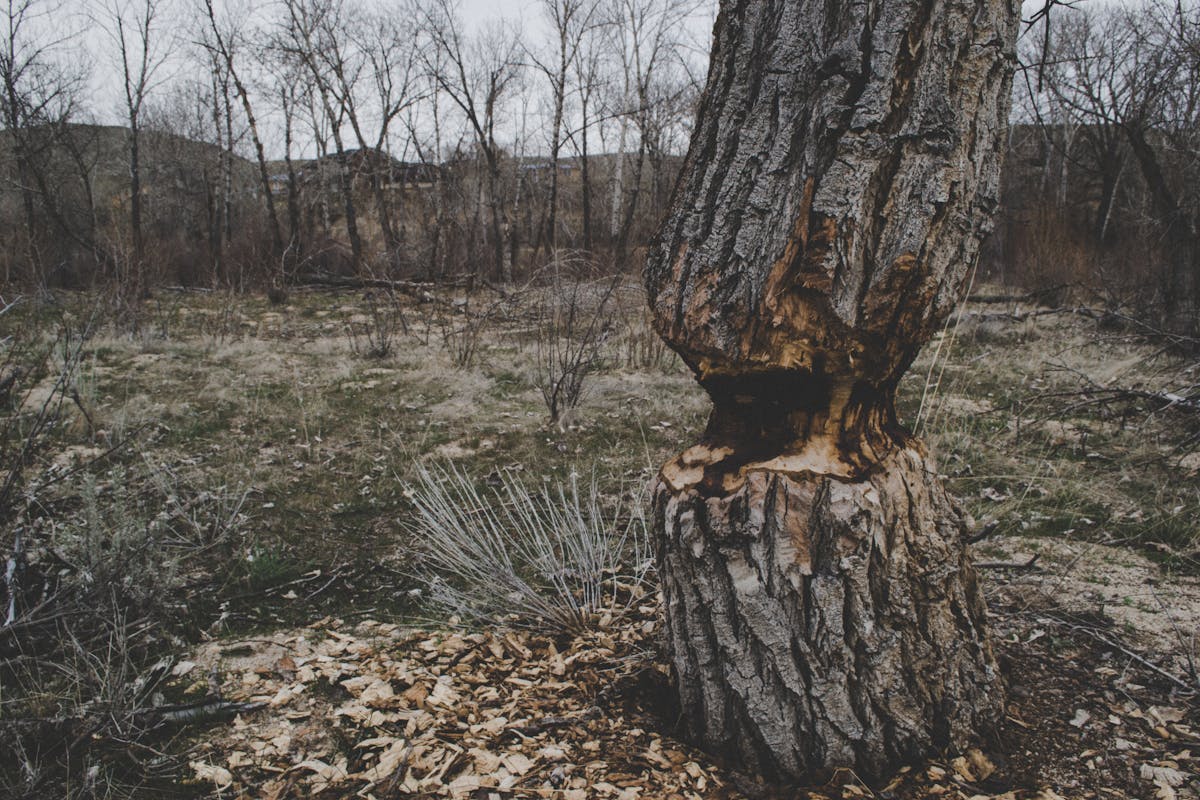
Arizona's Climate: Tough on Trees
Trees in Southern Arizona endure conditions that would kill most vegetation elsewhere. Summer temperatures exceeding 115°F, months of zero rainfall, alkaline soil with caliche layers, and violent monsoon storms create a gauntlet of stress that weakens even the toughest desert-adapted species.
Pest Infestations Common in Pima County
Palo Verde Beetles
These massive beetles (3-4 inches long) emerge in late June. Their larvae (root borers) live underground for 2-4 years feeding on tree roots. Heavy infestations can weaken root systems enough to topple trees.
Bark Beetles
Multiple species attack stressed trees. Drought-weakened trees are especially vulnerable. Bark beetles bore into the cambium layer, disrupting water and nutrient transport.
Signs: Small round holes, sawdust-like frass, pitch tubes, yellowing canopy.
Giant Whitefly & Spider Mites
Whitefly creates spiral wax patterns on leaf undersides. Spider mites cause stippled, yellowing leaves during hot, dry periods. Both weaken trees significantly when left untreated.
Common Diseases in Tucson-Area Trees
Bacterial Wetwood (Slime Flux)
Common in mature mesquites and elms. Dark, wet stains running down the trunk with a fermented odor. No cure, but affected trees can live for decades with proper care.
Texas Root Rot
A devastating soil fungus in alkaline Arizona soils. Attacks over 2,000 species, killing trees within weeks during hot weather. Signs: Sudden wilting of an apparently healthy tree. Leaves brown but remain attached.
Mistletoe
Desert mistletoe is common on mesquites, palo verdes, and ironwoods. Heavy infestations steal water and nutrients. Prune out infected branches at least 12 inches below the attachment point.
Environmental Stress Issues
Drought Stress
Even desert trees suffer during extended drought. Signs include yellowing leaves, premature leaf drop, and die-back at branch tips. Deep watering at the drip line helps.
Sunscald
Young or recently exposed trees suffer bark damage from intense Arizona sun. Cracked, peeling bark on the south and southwest sides indicates sunscald.
Caliche (Hardpan)
A cement-like calcium carbonate layer in Tucson soils that restricts root growth, traps water, and prevents strong anchor systems. Causes stunted growth, surface roots, and trees that blow over easily.
Neighborhoods Where We Diagnose Tree Issues
We provide tree health assessments throughout Oro Valley, Tucson,Marana, Catalina, and all Pima County communities. Specific neighborhoods we frequently serve include Rancho Vistoso, Catalina Foothills,Dove Mountain, Tanque Verde, Sabino Canyon,Ventana Canyon, Honey Bee Canyon, Continental Ranch,SaddleBrooke, Stone Canyon, Sun City Vistoso,Skyline Country Club, and Pusch Ridge Vistas.
When to Call a Certified Arborist
Contact us if you notice sudden changes in your tree's appearance, new lean, multiple symptoms simultaneously, or large dead branches. Our Certified Arborist Health Assessment ($650) provides a thorough evaluation with treatment recommendations. Need a written report? TheHealth Assessment + Report is $950.