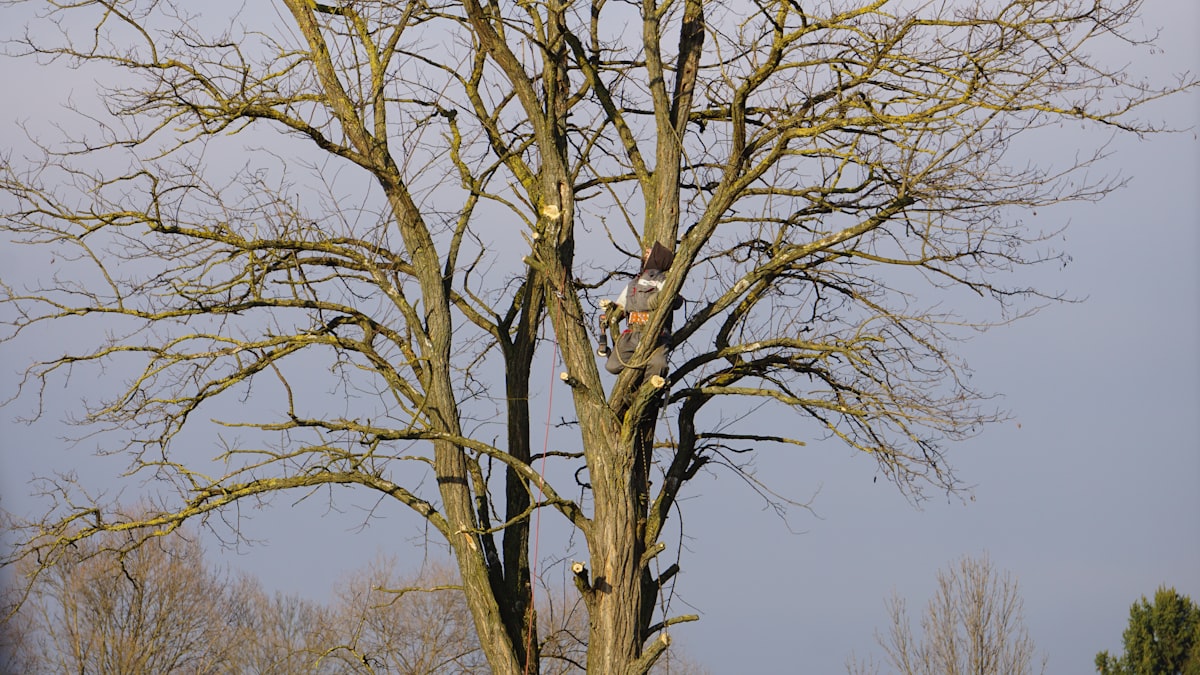
Why Professional Tree Trimming Matters in Arizona
Arizona's unique desert climate creates specific challenges for tree care. With intense summer heat exceeding 110°F, monsoon storms bringing 60+ mph winds, and long dry seasons, your trees face stresses that most other regions never experience. Professional tree trimming isn't just about aesthetics — it's about protecting your property, maintaining tree health, and reducing wildfire risk.
At Oro Valley Tree Service, our ISA Certified Arborists understand the biology and growth patterns of every tree species common to Southern Arizona. We don't just cut branches — we apply science-backed pruning techniques that promote long-term health and structural integrity.
Arizona Tree Species We Specialize In
Our team has extensive experience trimming and pruning all desert-adapted tree species found throughout Pima County:
- Mesquite Trees — The most common tree in Tucson. Mesquites grow fast and need regular structural pruning to prevent splitting during monsoons. We remove crossing branches and reduce canopy weight to prevent storm damage.
- Palo Verde Trees — Arizona's state tree. These fast-growing trees are prone to branch failure. Proper crown thinning reduces wind resistance and prevents property damage.
- Ironwood Trees — One of the Sonoran Desert's longest-lived trees. Ironwoods require careful, conservative pruning to maintain their dense canopy and natural form.
- Palm Trees — Fan palms and date palms are common in Tucson landscapes. We remove dead fronds, seed pods, and fruit clusters safely, even on tall specimens.
- Citrus Trees — Orange, lemon, grapefruit, and lime trees thrive in Southern Arizona. Proper pruning improves fruit production and prevents disease.
- Desert Willow — These ornamental trees benefit from light pruning to enhance their beautiful trumpet-shaped flowers.
- Eucalyptus — Fast-growing and often planted as windbreaks. Regular trimming prevents limb failure from their heavy, pendulous branches.
When to Trim Trees in Arizona
Timing is everything when it comes to tree trimming in the desert Southwest. Here's our recommended schedule based on decades of experience in Pima County:
- Late Fall to Early Spring (November–February): The ideal window for most deciduous trees. Trees are dormant, reducing stress and sap loss. This is the best time for structural pruning of mesquites and palo verdes.
- Before Monsoon Season (May–June): Critical timing to reduce canopy weight and remove weak branches before 60+ mph monsoon winds hit. This preventive trimming can save thousands in storm damage repairs.
- After Monsoon Season (October): Clean up storm-damaged branches and assess structural integrity before winter.
- Year-Round: Dead, diseased, or hazardous branches should be removed immediately regardless of season. Don't wait — a dead branch over your roof is a liability every day it remains.
Our Tree Trimming Process
Every job follows our proven 5-step process:
- Assessment: Our ISA Certified Arborist evaluates your tree's health, structure, and any hazards. We explain exactly what needs to be done and why.
- Plan: We create a trimming plan that addresses your specific goals — whether that's clearance, storm prep, view enhancement, or health improvement.
- Execute: Using professional-grade equipment and ISA-approved techniques, we carefully trim your trees. We never "top" trees or use improper cuts that lead to decay.
- Clean Up: Every branch, twig, and leaf is removed from your property. We leave your yard cleaner than we found it.
- Follow Up: We provide care recommendations and schedule future maintenance if you'd like ongoing service.
Tree Trimming Costs in Oro Valley & Tucson
Tree trimming prices in Pima County vary based on tree size, species, accessibility, and the amount of work needed. Here are typical ranges from our recent jobs:
- Small Trees (under 15 ft): $150–$400
- Medium Trees (15–30 ft): $300–$800
- Large Trees (30–60 ft): $600–$1,500
- Very Large Trees (60+ ft): $1,000–$3,000+
- Palm Tree Trimming: $150–$500 per palm
Want an exact price? Submit a $25 Photo Estimate or book a $50 On-Site Consultation. We provide transparent, upfront pricing with no hidden fees.
Neighborhoods We Serve Near Oro Valley
We provide tree trimming throughout Oro Valley and surrounding communities, including Rancho Vistoso,Stone Canyon, Sun City Vistoso, Honey Bee Canyon,Catalina Foothills, Dove Mountain, Tanque Verde,Ventana Canyon, Sabino Canyon, Skyline Country Club,La Cholla Airpark, Continental Ranch, SaddleBrooke,SaddleBrooke Ranch, and all communities in Pima County. Whether you're in a luxury estate or a family neighborhood, we bring the same professional care to every job.
Why Choose Oro Valley Tree Service?
- ISA Certified Arborists — Not just tree cutters. Our team holds the gold standard in tree care certification.
- 3,000+ Satisfied Customers — Trusted by homeowners across Oro Valley, Tucson, Marana, and Catalina.
- Licensed & Fully Insured — Complete liability coverage and workers' compensation for your protection.
- American Owned & Locally Operated — We live and work in Pima County. Your community is our community.
- Available During Monsoon Season — When other companies shut down, we're here for you.
Frequently Asked Questions
How often should I trim my trees in Arizona?
Most Arizona trees benefit from annual trimming. Fast-growing species like mesquite and palo verde may need trimming twice per year — once before monsoon season and once during the dormant winter months.
Is tree topping a good idea?
Absolutely not. Tree topping is one of the most harmful things you can do to a tree. It causes rapid, weak regrowth that's more dangerous than the original canopy. Our ISA Certified Arborists use proper crown reduction techniques instead.
Do I need a permit to trim trees in Oro Valley?
In most cases, trimming trees on your own property does not require a permit. However, protected native species like saguaros have specific regulations. Our team is familiar with all local ordinances and will advise you accordingly.
Can trimming save a sick tree?
Often yes. Removing dead, diseased, or infested branches can prevent the spread of disease and improve air circulation. Combined with proper watering and fertilization, strategic trimming can give a struggling tree a new lease on life. For a thorough diagnosis, consider our Certified Arborist Health Assessment ($650).