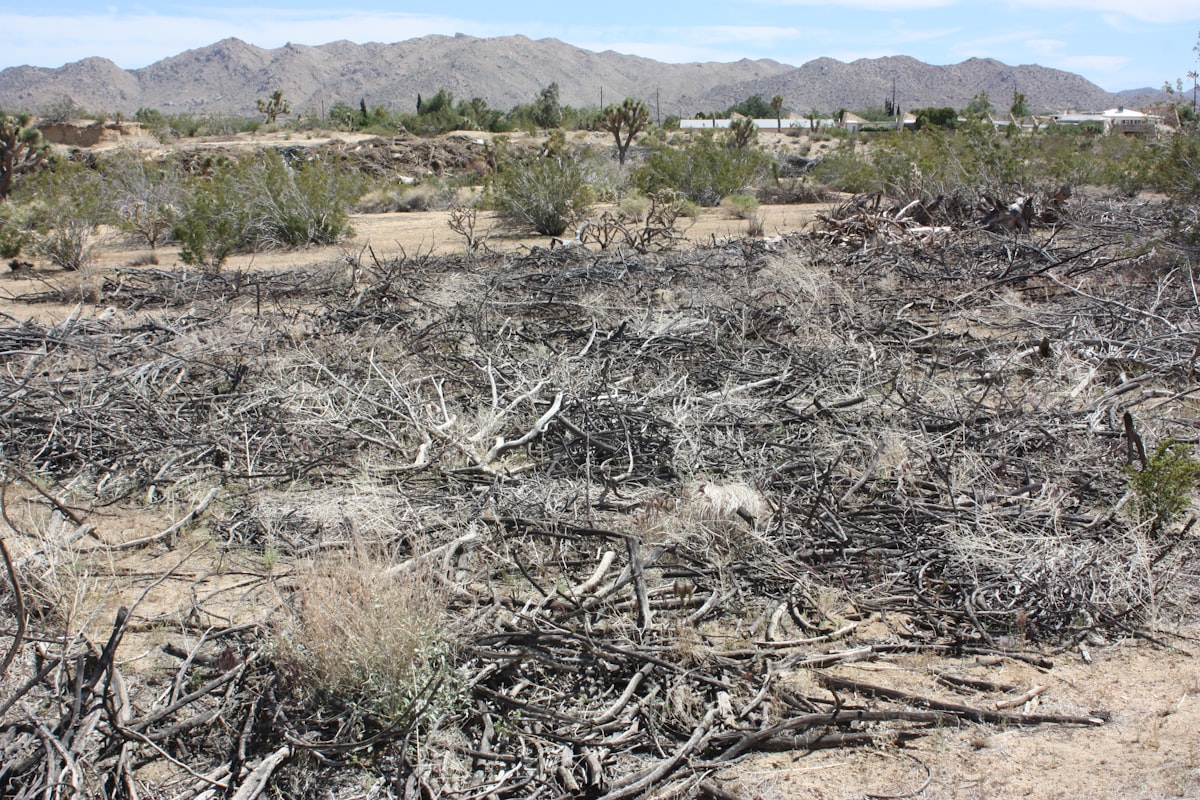
Why Brush Removal Is Critical in the Sonoran Desert
Southern Arizona faces a growing wildfire threat. Extended drought conditions, record-breaking temperatures, and expanding urban-wildland interfaces have made brush removal more important than ever. The Arizona Department of Forestry and Fire Management reports that over 90% of wildfires in Pima County are preventable with proper vegetation management.
At Oro Valley Tree Service, we specialize in creating defensible space around Arizona homes — the zone of managed vegetation that gives firefighters a fighting chance to save your property during a wildfire.
Understanding Arizona's Fire Seasons
Arizona has two distinct fire seasons that homeowners need to be aware of:
- Spring Fire Season (April–June): Hot, dry, and windy conditions create extreme fire danger. Dead winter vegetation becomes fuel. This is when the largest, most destructive fires typically occur in Pima County.
- Monsoon Fire Season (July–September): Lightning strikes from monsoon storms ignite fires in dry vegetation. While rain eventually follows, dry lightning without rain can start multiple fires simultaneously.
Types of Brush We Clear
- Dead and Dry Brush: The #1 fire fuel. We remove all dead vegetation within your defensible space zone.
- Desert Scrub: Creosote bush, brittlebush, and other desert shrubs that accumulate in washes and hillsides.
- Invasive Species: Buffelgrass, fountain grass, and other non-native invasives that spread fire rapidly through the desert.
- Dead Tree Material: Fallen branches, dead standing trees, and accumulated deadwood under tree canopies.
- Overgrown Vegetation: Dense plantings too close to structures that create a fire ladder from ground to roof.
Defensible Space Zones
Zone 1: Immediate Zone (0–5 feet from structure)
The most critical area. We create a non-combustible zone directly around your home by removing all flammable vegetation, mulch touching the foundation, dead plants, and anything that can ignite from flying embers.
Zone 2: Intermediate Zone (5–30 feet)
We thin vegetation to create spacing between plants and trees. Remove lower tree branches (limbing up to 6–10 feet), break up continuous shrub lines, and ensure no vegetation creates a path for fire to reach your home.
Zone 3: Extended Zone (30–100 feet)
We reduce the density of vegetation to slow fire spread and reduce flame heights. This zone doesn't need to be bare — just managed so fire can't build momentum approaching your property.
The Buffelgrass Threat
Buffelgrass is arguably the single greatest wildfire threat to Tucson-area homes. This invasive African grass has spread across thousands of acres of the Sonoran Desert, creating continuous fuel in landscapes that historically didn't burn. A buffelgrass fire can spread at 14+ miles per hour with flames reaching 20 feet high.
Neighborhoods We Serve for Brush Removal
We provide brush removal throughout Pima County, with special expertise in high-risk areas includingCatalina Foothills, Ventana Canyon, Sabino Canyon,Tanque Verde Valley, Dove Mountain, Stone Canyon,Pusch Ridge, Honey Bee Canyon, SaddleBrooke,SaddleBrooke Ranch, La Reserve, and Skyline Country Club. Mountain-adjacent properties face the highest wildfire risk and benefit most from professional brush clearing.
Brush Removal Costs in Pima County
- Small Residential Lot: $300–$800
- Standard Residential: $500–$1,500
- Large Estate/Acreage: $1,000–$5,000+
- Commercial Properties: Custom pricing based on acreage
Frequently Asked Questions
How often should I clear brush around my home?
We recommend a thorough brush clearing at least once per year, ideally before spring fire season (March–April). Properties in high-risk areas should consider twice-yearly maintenance.
Is brush removal required by law in Arizona?
While Arizona doesn't have a statewide defensible space law, many HOAs and some communities have vegetation management requirements. Regardless, brush removal is one of the smartest investments for your property's safety.
Can you remove buffelgrass from my property?
Yes! We offer targeted buffelgrass removal and can advise on long-term management strategies to keep this invasive grass from returning.